What Does a LinkedIn Ghostwriter Actually Do? (And Do Founders Still Need One?)
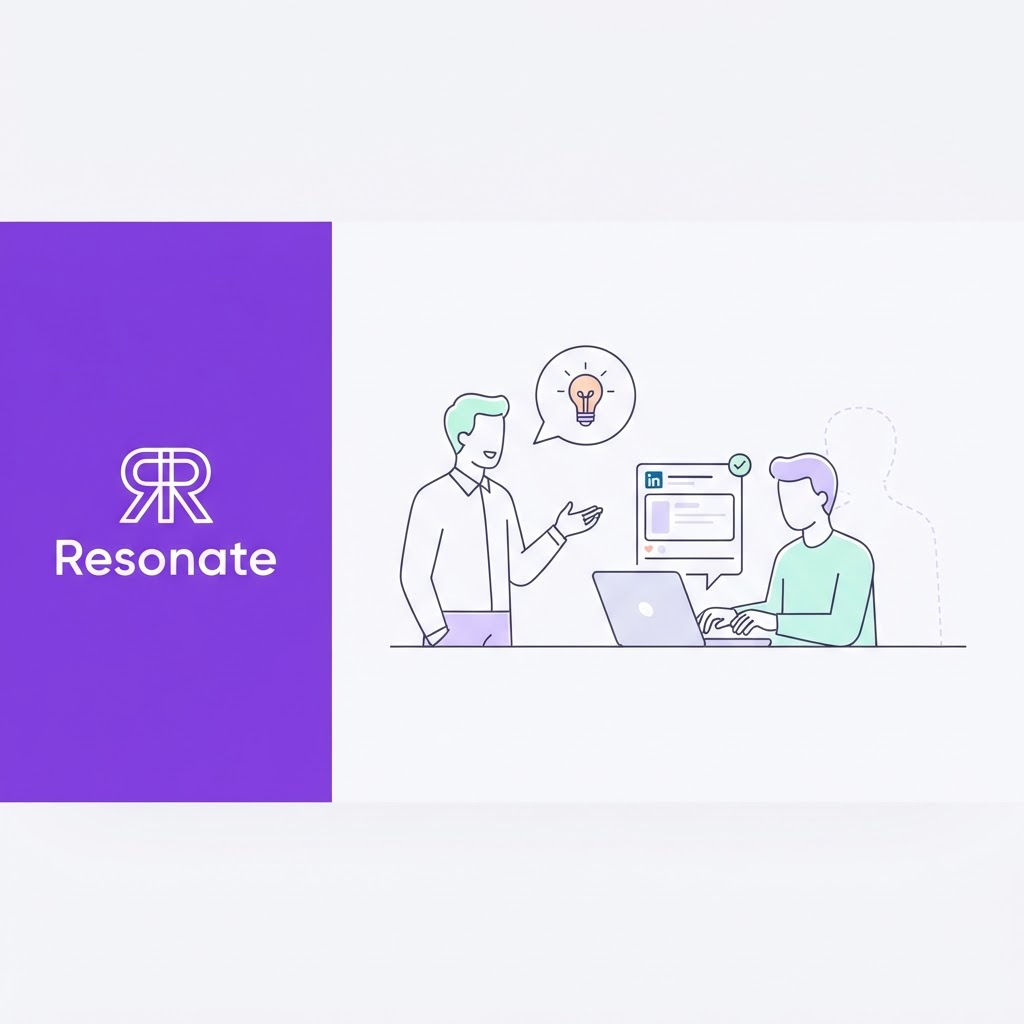
Some of the most-followed founders on LinkedIn don’t write their own posts, or at least not all of them. Behind many consistent, thoughtful profiles is a LinkedIn ghostwriter: someone who turns a busy executive’s ideas into posts that sound like them.
But what is a LinkedIn ghostwriter, exactly? What do they do week to week? Is it ethical? And now that AI can draft a post in seconds, do founders still need one?
This guide answers all of that, so you can decide whether to hire a ghostwriter, use an editor, try AI, or keep writing yourself.
The short answer: A LinkedIn ghostwriter is a writer who creates LinkedIn posts on someone else’s behalf, published under that person’s name and in their voice. Good ghostwriters do more than write. They interview you for ideas, shape your content strategy, edit and schedule posts, and often help with comments and reporting. Founders don’t always need one: many now combine AI drafting with a human editor or use a done-for-you service for a fraction of the time and effort.
Key takeaways
- A ghostwriter turns your ideas into posts. The thinking should be yours, and the writing is theirs.
- The job goes beyond writing. It includes strategy, idea capture, editing, scheduling, and engagement.
- Ghostwriting is ethical when the ideas, opinions, and experiences are real and you approve every post.
- A ghostwriter creates, while an editor refines. Which one you need depends on how much you write yourself.
- AI has changed the math. Many founders now pair AI drafting with a human editor instead of hiring a full ghostwriter.
What is a LinkedIn ghostwriter? (LinkedIn ghostwriter meaning)
A LinkedIn ghostwriter is a professional writer who writes LinkedIn content for another person, usually a founder, CEO, or executive. The posts are published on that person’s profile, under their name, and written to sound like them.
The idea isn’t new. Executives have long worked with speechwriters, communications teams, and editors for op-eds, books, and keynotes. LinkedIn ghostwriting applies the same model to a daily social platform, where consistency matters as much as quality.
What a ghostwriter is:
- A writer who captures your ideas and voice
- A strategist who helps decide what you should talk about
- A partner who keeps you posting consistently
What a ghostwriter is not:
- Someone who invents your opinions or experiences
- Someone who should post without your approval
- A replacement for you showing up in comments and conversations
What does a LinkedIn ghostwriter actually do?
The exact scope varies by writer and package, but a full-service LinkedIn ghostwriter typically handles seven things:
| Task | What it involves | How often |
|---|---|---|
| Onboarding and voice discovery | Interviews, reviewing your past posts and writing, learning your tone and opinions | Once, at the start |
| Content strategy | Choosing 3-4 content pillars, target audience and goals | Set up once, reviewed monthly |
| Idea capture | Weekly or biweekly calls, voice notes, reviewing your meetings and updates | Weekly |
| Drafting | Turning ideas into posts with strong hooks, specifics, and a clear point | Each post |
| Editing and approval | Sending drafts for your feedback, revising, and getting a final OK | Each post |
| Scheduling and publishing | Posting at the right times, sometimes directly on your profile | Each post |
| Engagement and reporting | Drafting replies to comments, tracking performance, monthly reports | Weekly or monthly |
A typical week with a ghostwriter
- Monday: A 20-30 minute call to talk through what happened last week and what’s on your mind
- Tuesday-Wednesday: The ghostwriter drafts 2-3 posts from the call
- Thursday: You review the drafts on your phone and approve or request changes
- Following week: Posts go live on schedule, and you reply to comments
The founder’s time: Usually 30-60 minutes a week. That’s much less than writing everything yourself, but it’s not zero.
Prefer to run it in-house? Here’s how to get executives to post on LinkedIn with a 15-minute-a-week workflow.
Is LinkedIn ghostwriting ethical?
This is the most common question about ghostwriting, and the honest answer is, "It depends on how it’s done".
When ghostwriting is ethical
- The ideas are yours: The opinions, lessons, and stories come from your real experience.
- The facts are accurate: Numbers, events, and claims are true.
- You approve every post: Nothing goes live without your review.
- You stand behind it: You’d say the same thing in a meeting or on stage.
This is no different from a CEO working with a speechwriter or a comms team. The writer helps express the thinking. They don’t invent it.
When it crosses the line
- Invented experiences: Stories that never happened, or “lessons” you never learned.
- Borrowed opinions: Views you don’t actually hold, chosen because they might go viral.
- Fake engagement: A ghostwriter replying to DMs or having personal conversations as you, without your knowledge.
- Misleading claims: Results, credentials, or numbers that aren’t true.
Why authenticity matters for results, too
Readers trust thought leadership when it reflects real expertise. In the 2024 Edelman-LinkedIn B2B Thought Leadership study, 73% of B2B decision-makers said thought leadership is a more trustworthy basis for judging a company’s capabilities than its marketing materials. That trust disappears fast if content turns out to be hollow.
A simple test: if someone asked you about a post in person, could you talk about it confidently for five minutes? If yes, it’s yours, whoever typed it.
What’s the difference between a LinkedIn ghostwriter and an editor?
| Ghostwriter | Editor | |
|---|---|---|
| Who writes the first draft | The ghostwriter | You (or AI) |
| Main job | Turning your ideas into finished posts | Improving posts you’ve already drafted |
| Your time per week | About 30-60 minutes (calls + approvals) | More, since you write the drafts |
| Best for | Founders who don’t have time or don’t enjoy writing | Founders who like writing but want polish |
| Voice risk | Can drift from your voice if onboarding is weak | Lower, because the words start with you |
| Typical cost | Higher, since it’s more work for the writer | Lower |
Choose a ghostwriter if you have plenty of ideas but no time or desire to write.
Choose an editor if you enjoy writing but want help with hooks, structure, and consistency.
A third option is AI plus an editor. AI produces the first draft from your ideas, and a human editor refines it. This sits between the two in cost and time.
How do LinkedIn ghostwriters charge?
Ghostwriters usually use one of three pricing models:
- Per post: A fixed price for each post. Good for testing a writer.
- Monthly retainer: A set number of posts per month, often including strategy calls and basic engagement support.
- Packages or programs: Strategy, posts, comments, reporting, and sometimes profile optimisation, usually for executives or teams.
Prices vary widely depending on experience, niche, how many posts you need, and how much strategy is included. When you compare quotes, compare what’s included (calls, revisions, engagement, and reporting), not just the price per post.
Do founders still need a LinkedIn ghostwriter in the age of AI?
AI has changed the role. A general AI tool can draft a post in seconds. But AI alone has three gaps that ghostwriters fill:
- It doesn’t know what you’ve done: AI needs context: your decisions, customers and lessons.
- It doesn’t know your voice: Unless it’s trained on your writing.
- It doesn’t push back: A good ghostwriter tells you when an idea is weak or a post is off-brand.
Newer tools close the first two gaps. An AI content creator like Resonate pulls ideas from your work tools and learns your voice from your writing samples. A human is still valuable for judgment, taste, and accountability.
Which option fits you?
| Your situation | Best fit |
|---|---|
| You enjoy writing and have time | Write yourself, maybe with an editor |
| You have ideas but little time and a small budget | AI drafting + your own review |
| You want polish without writing, at a moderate budget | AI drafting + a human editor |
| You want it fully handled and have the budget | Ghostwriter or done-for-you service |
| You’re an agency managing many clients | A ghostwriting workflow with tools for multiple voices |
How do you hire a good LinkedIn ghostwriter?
Questions to ask
- “How do you learn a client’s voice?”
- “Where do your ideas come from: my input or your research?”
- “How much of my time do you need each week?”
- “What’s your approval process?”
- “Do you need my LinkedIn login? How do you publish?”
- “How do you measure results?”
- “Can I see examples, with permission, from clients in my industry?”
Red flags
- Asking for your LinkedIn password: Sharing login details is a security risk. Prefer a process where you approve and post, or a tool that publishes through an approved connection.
- Engagement pods or automation: Artificial engagement tactics and risky automation tools can put your account at risk.
- Generic samples: If every client’s posts sound the same, yours will too.
- No approval step: You should see every post before it goes live.
- Promising viral results: No one can guarantee virality.
What does a modern ghostwriting workflow look like?
The best setups today combine human judgment with AI speed:
- Ideas from your real work: Pulled from meetings, Slack, docs, and calls, not invented
- A voice profile: Built from your existing writing
- AI-assisted first drafts: So the human spends time on judgment, not typing
- Human editing: For taste, accuracy, and strategy
- Your approval: Always
- Learning from results: So each month’s posts get sharper
This is how Resonate’s done-for-you LinkedIn content works. A named editor owns your account and starts every post from a draft built out of your Notion docs, Slack threads, and shipped features, written in your calibrated voice. They publish three posts a week, draft comments on your best posts, and triage inbound messages, and you keep a full veto. It’s $999 a month.
Prefer to do it yourself? Resonate also works as a LinkedIn post writer you run on your own, with AI critique checking every draft before you publish.
Running ghostwriting for clients? See the agency plan, with one voice profile per client and magic-link approvals.
How can you get ghostwriter-quality posts built from your real work?
Whether you want to run it yourself or have it done for you, Resonate turns your real work into LinkedIn posts in your voice, and you approve every one.
Frequently asked questions
What is a LinkedIn ghostwriter?
A LinkedIn ghostwriter is a writer who creates LinkedIn posts for someone else, usually a founder or executive. The posts are published under that person’s name and written in their voice. Most ghostwriters also help with content strategy, editing, scheduling, and engagement.
What does LinkedIn ghostwriter mean?
It means someone writes LinkedIn content on your behalf while you remain the named author. The ideas and opinions should be yours, and the ghostwriter shapes them into posts.
Is LinkedIn ghostwriting ethical?
Yes, when the ideas, experiences, and opinions are genuinely yours, the facts are accurate, and you approve every post. It crosses the line when a ghostwriter invents stories, opinions, or results, or engages with people as you without your knowledge.
What’s the difference between a LinkedIn ghostwriter and an editor?
A ghostwriter writes the posts from your ideas. An editor improves posts you’ve already drafted. Ghostwriters save more time. Editors keep more of your own words.
How much time does working with a ghostwriter take?
Usually 30-60 minutes a week for an idea call and approvals. Some done-for-you services need even less once your voice and strategy are set up.
Can AI replace a LinkedIn ghostwriter?
AI can handle much of the drafting, especially when it’s trained on your voice and fed your real work. Many founders still value a human for judgment, strategy, and accountability, which is why AI plus a human editor is a popular middle ground.
Do people know when LinkedIn posts are ghostwritten?
Often they can’t tell, if the ideas and voice are genuinely yours. Posts that feel generic or don’t match how you speak in person are what give ghostwriting away.

Content Writer @ Resonate
Charlotte explores LinkedIn content, personal branding, AI writing, and founder-led marketing at Resonate. She believes the best content comes from real experience, not generic advice, and writes practical insights to help founders turn what they already know into content that people want to read.
Write LinkedIn content that sounds like you
with Resonate's AI Voice Engine